
The Role of Ambiance in Gaming Experience
The ambiance of a casino is a critical component influencing players’ behavior and decisions. Designers employ lighting, color schemes, and sound to craft an immersive environment that captivates visitors. For instance, warm lighting evokes feelings of comfort and relaxation, encouraging players to stay longer. In contrast, dynamic lighting over gaming floors can stimulate excitement, prompting players to engage more deeply with the games available, especially those at an instant withdrawal casino uk that feature quick payouts. These elements work in unison to enhance the overall gaming experience, illustrating how psychological principles are applied in layout and design to create a vibrant atmosphere.
Furthermore, the arrangement of gaming machines and tables is meticulously planned to facilitate the flow of foot traffic. Casinos often position popular games near entrances or in high-traffic areas to attract potential players. By understanding how visitors navigate the space, designers can optimize layouts to increase engagement. This strategic placement not only invites social interaction among players but also enhances enjoyment, extending the time spent within the casino. The thoughtful design of the gaming floor creates a thriving environment where players feel energized and engaged.
Another significant aspect of ambiance is sound design, which encompasses everything from electrifying music to the sounds of coins dropping or machines paying out. These auditory cues create a stimulating atmosphere that can influence players’ emotions and decision-making processes. The strategic use of sound keeps players engaged and can create the illusion of winning, regardless of the actual odds they face. This psychological manipulation draws players deeper into the gaming experience, making them less likely to leave without exploring more games. By creating an auditory tapestry that resonates with players, casinos can enhance the overall allure of their environment.
The Impact of Layout and Flow
The layout of a casino is not merely a matter of aesthetics; it significantly impacts players’ navigation and overall experience. A well-designed flow encourages exploration and interaction, allowing players to feel more at ease as they move through different gaming areas. Designers often create a maze-like structure where players can easily discover new games while still being guided toward high-stakes areas. This deliberate arrangement fosters a sense of adventure, increasing the likelihood that visitors will stumble upon something they want to try. By creating an inviting and exploratory atmosphere, casinos maximize engagement and interest.
Moreover, the strategic use of space can drive engagement by offering players a mix of solitary and social gaming options. For example, quieter areas with slot machines are often located away from the hustle and bustle of table games, providing a retreat for those who prefer to play in peace. In contrast, high-energy areas filled with table games invite communal play and social interaction, enhancing the time players spend at the tables. By understanding the psychology of space, casino designers can create environments that cater to diverse player preferences, ensuring that every visitor finds a place that resonates with them.

The concept of “gambling pathways” is another critical consideration in layout design. These pathways are designed to guide players through various gaming options while subtly encouraging them to spend more time and money. The use of signage, décor, and even the placement of staff can all contribute to steering players toward specific areas. This design tactic plays on the idea of visual cues prompting action, effectively enhancing the allure of gaming and leading players into a cycle of continual engagement. By crafting a navigable environment, casinos can optimize player flow and maximize the time spent in gameplay.
The Psychology of Color and Design Elements
Colors play a significant role in influencing emotions and behaviors in a casino environment. Different hues can evoke distinct psychological responses, which designers utilize to enhance the gaming experience. For example, red is often associated with excitement and energy, making it a popular choice for stimulating areas like the gaming floor. In contrast, blues and greens may create a sense of calm and comfort, perfect for lounge areas where players can unwind. By selecting colors thoughtfully, designers manipulate mood and encourage players to stay longer, thereby enhancing their overall enjoyment of the casino.
In addition to color, the use of design elements like patterns and textures also influences player psychology. Soft textures and rounded shapes can create a sense of safety and warmth, encouraging players to relax and indulge. Conversely, sharp lines and stark contrasts may evoke a sense of urgency or excitement. Incorporating varied textures can add depth to the environment, engaging the senses and making the overall experience more memorable. Each design choice contributes to a cohesive atmosphere that resonates with players on multiple levels.
Moreover, iconic design features, such as elaborate chandeliers or stunning murals, can act as focal points that draw attention and create an atmosphere of luxury and opulence. These striking elements signal to players that they are entering a world of possibilities, enticing them to gamble. Overall, the careful integration of color and design not only elevates the aesthetic of the casino but also serves to enhance psychological engagement with the environment, further stimulating player interest and loyalty. A well-designed casino becomes a sensory experience that players are eager to revisit.
The Influence of Rewards and Incentives
Reward systems within casinos are meticulously designed to keep players engaged and create a psychological pattern that encourages repeat visits. From complimentary drinks to loyalty programs, casinos understand that providing perks enhances the overall gaming experience. These rewards trigger positive emotions, leading to a desire to return and try one’s luck again. This dynamic plays into the psychology of gambling, where players are motivated by the anticipation of potential rewards, both tangible and intangible. The allure of winning or gaining an exclusive benefit keeps players coming back for more.
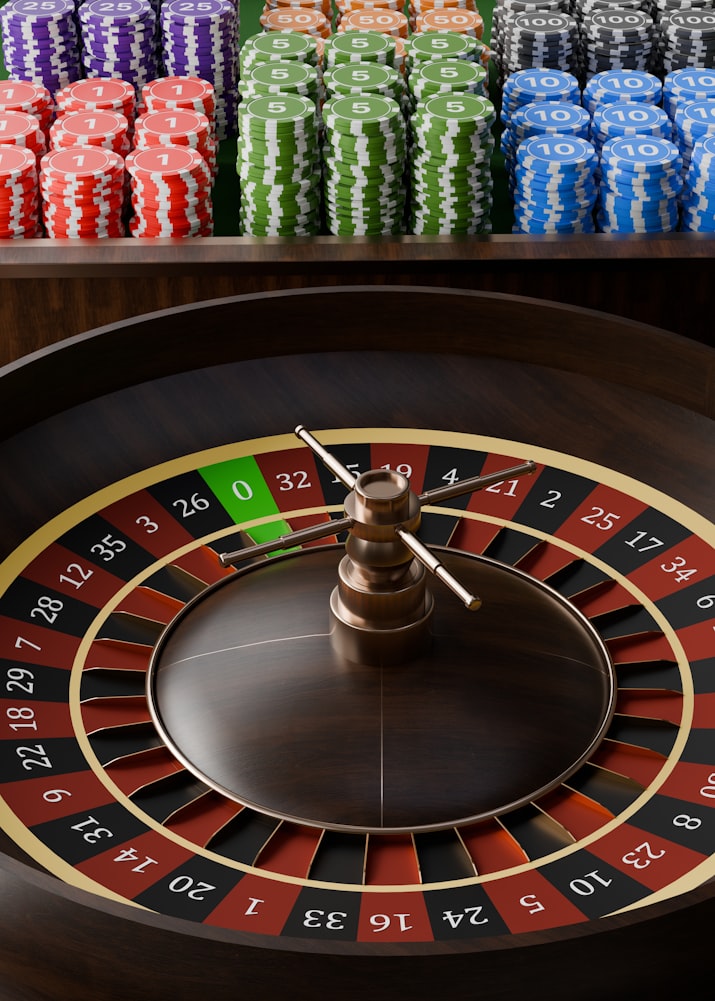
Casinos also utilize the concept of variable rewards, which can heighten excitement and prolong gameplay. Players may not know when they will hit a jackpot or receive a complimentary gift, creating an element of suspense that keeps them engaged. This unpredictability taps into the psychology of risk-taking and reinforces the idea that players could experience a big win at any moment. Consequently, the thrill associated with these variable rewards can lead players to spend more time and money in the hope of striking it rich, making the gambling experience more exhilarating.
The design of reward areas, such as lounges for VIP players or high-stakes rooms, further emphasizes the importance of exclusivity in the casino experience. These spaces are often more luxurious and designed to make players feel special and valued. By creating an atmosphere of prestige and reward, casinos successfully leverage psychological factors to encourage higher spending and foster brand loyalty among their clientele. This strategic focus on rewarding players not only enhances their experience but also reinforces the casino’s brand image as a place of opportunity and excitement.
Understanding Visitors and Their Experiences
Ultimately, the success of casino design lies in understanding visitors’ experiences and leveraging psychological insights to improve them. Gathering data on player preferences, behaviors, and demographics allows designers to tailor environments that resonate with their target audience’s desires. Surveys, feedback, and behavioral observations provide valuable insights into what makes a casino appealing and memorable. By harnessing these insights, casinos can continuously adapt and evolve their designs to meet changing player expectations, ensuring that every visit feels fresh and engaging.
Innovative technology, such as virtual reality and data analytics, is also transforming how casinos understand and interact with their guests. Virtual reality can simulate different design layouts or game experiences, providing insights into player reactions before physical changes are made. Simultaneously, data-driven approaches allow casinos to track player habits, enabling personalized promotions and experiences that keep visitors coming back for more. This level of understanding empowers casinos to create tailored experiences that resonate with players on a personal level.
In conclusion, the intersection of psychology and casino design is a fascinating study. It reveals how various elements, from ambiance and layout to color and rewards, can significantly influence player behavior and experiences. By comprehensively understanding these dynamics, casino designers can create spaces that not only captivate but also foster deep emotional connections with players, ensuring their loyalty and enjoyment over time. The continuous evolution of casino design, grounded in psychological principles, promises to keep the gaming experience exciting and engaging for future generations.